

In fast-moving business environments, leaders need more than high-level KPIs and they need tactical dashboards that enable day-to-day decision-making, operational visibility, and quick performance adjustments.
Before diving into best practices, examples, and templates, let us clarify what is a dashboard in business, why tactical reporting matters, and how tactical business intelligence improves execution across teams.
What Is a Dashboard in Business?
A dashboard in business is a visual interface that displays key metrics, trends, and insights in real time. It helps teams monitor performance, analyze operations, and make decisions quickly.
A tactical dashboard specifically focuses on short-term goals, operational workflows, and team-level performance. While strategic dashboards look at long-term progress, tactical dashboards bridge the gap between strategy and execution.
What Is a Tactical Dashboard?
A tactical dashboard is a type of business intelligence dashboard designed to track detailed performance metrics, monitor trends, and support data-driven decision-making at the managerial or mid-level operational layer.
Before we get deeper, it is important to understand what is a dashboard in business:
A business dashboard is a visual tool that displays key data and indicators to help teams monitor performance and make timely decisions.
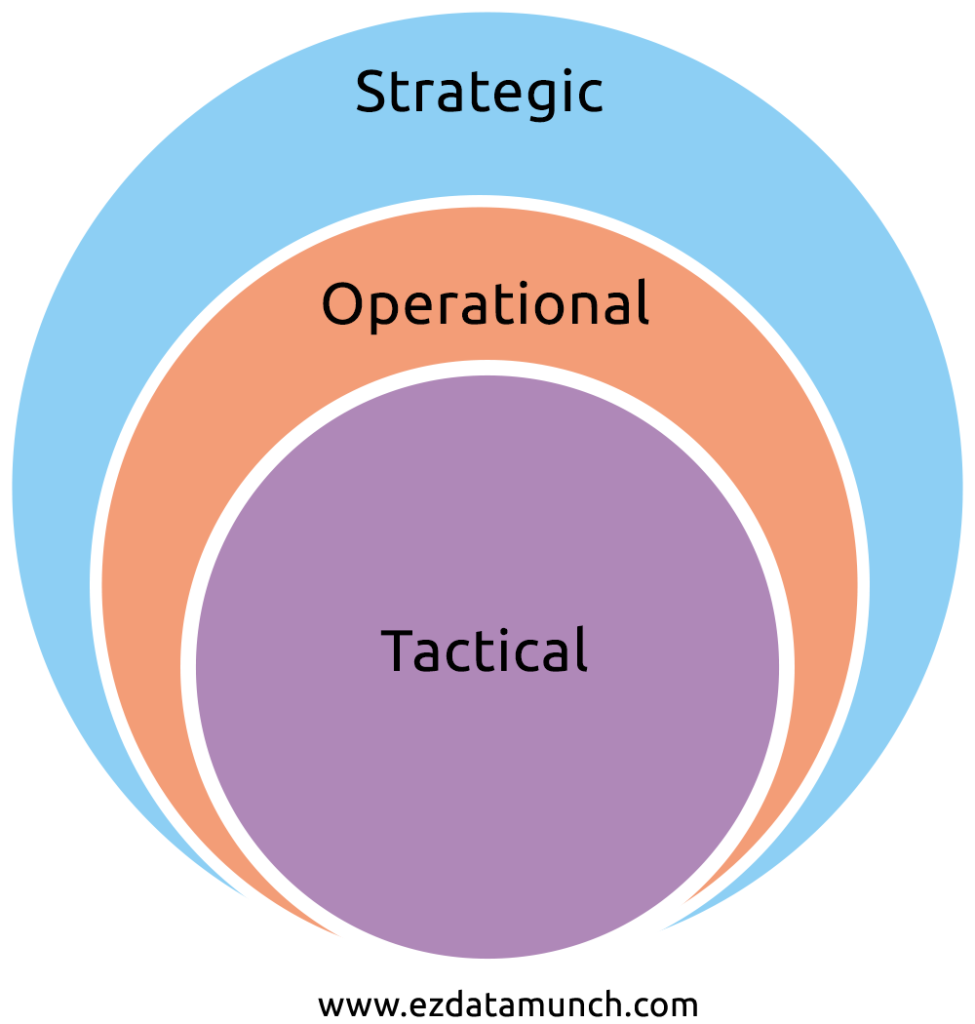
Unlike strategic dashboards (which focus on long-term business direction) or operational dashboards (which show real-time activities), a tactical dashboard sits in the middle. It is built to support tactical reporting, measure progress toward goals, and monitor processes at the center-level management layer.
By using tactical business intelligence, organizations can closely track company performance, evaluate progress against goals, and take corrective actions quickly. This leads to faster execution, better planning, and more effective strategies.
Why Are Tactical Dashboards Important?
Tactical dashboards play an essential role in modern business management. They allow users to explore data, identify performance trends, and make informed decisions.
Some key tactical dashboard benefits include:
- Continuous monitoring of weekly/monthly performance trends
- Improved decision-making through deeper analytics
- Better alignment with organizational goals
- Early detection of issues or deviations
- Enhanced transparency and accountability across departments
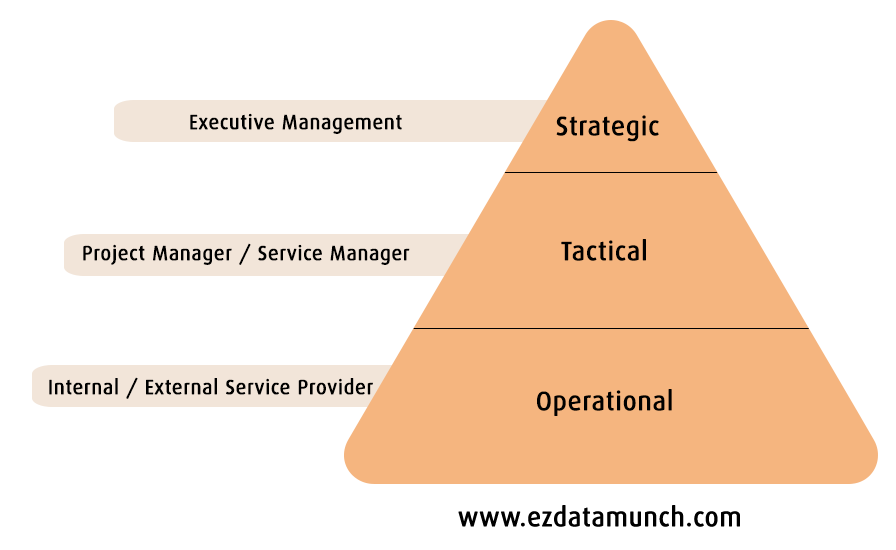
Strategic vs Tactical vs Operational Dashboards
- Strategic Dashboard: High-level KPIs like annual revenue, market growth, or long-term sales trends.
- Tactical Dashboard: Weekly/monthly analysis, goals vs. actual metrics, team, or department-level insights.
- Operational Dashboard: Real-time task-level metrics such as daily production, tickets, or transactions.
For example, a strategic sales dashboard could include annual sales goals, year-over-year comparisons, and branch-level performance.
Now, let us look at tactical dashboards with project-management-focused examples.
Examples of Tactical Dashboards in Project Management
- Material Management Purchase Order Tactical Dashboard
The Material Management Purchase Order Dashboard provides a complete overview of an organization’s purchase order activities. It helps teams analyze trends, monitor open orders, and identify top-performing suppliers or departments.
This tactical dashboard offers a filterable and searchable view of all purchase orders, allowing managers to easily track processes and support data-driven decisions. Because tactical dashboards focus on deeper analysis, this dashboard helps organizations act quickly on expected or delayed POs and prioritize actions accordingly.
Key Tactical Dashboard Benefits:
- Track Purchase Order Status: View PO stages such as approval pending, approved, or rejected.
- Monitor Organizational Workflow: Track expenses, profit, and loss closely to maintain healthy operations.
- Locate Purchase Order Position: Understand where each PO stands – Finance, Purchasing, Accounting, Receiving, or Accounts Payable. Check out the Financial Reporting and Analysis Dashboard and KPIs to get deeper insights into financial workflows and performance tracking. This is a perfect example of how tactical reporting helps organizations optimize processes and reach targets with more accuracy.
- Supplier Procurement Analysis Tactical Dashboard
Supplier procurement analysis is another powerful use case for a tactical dashboard.
When designing this dashboard, it is crucial to emphasize analytical depth because insights directly drive procurement efficiency and supplier performance.
Using tactical business intelligence, organizations can analyze supplier inventories, identify authorized suppliers, track procurement cycles, and determine which vendors are delivering value versus risk.
This tactical dashboard helps organizations:
- Track supplier performance
- Monitor delivery timelines
- Identify cost-saving opportunities
- Evaluate compliance and risk
- Improve sourcing strategies
Focusing on strong analytics in the procurement dashboard improves productivity and supports smarter, data-driven decision-making.
Why Tactical Dashboard is necessary in Business?
A tactical dashboard is essential for modern organizations because it provides deep insights into ongoing performance, department-level activities, and emerging trends. Unlike high-level strategic dashboards, a tactical dashboard analyzes large volumes of historical and current data to help managers understand what is performing well and what needs attention.
By leveraging tactical reporting and tactical business intelligence, businesses gain the ability to monitor trends, detect issues early, and take timely corrective actions. This empowers managers to ensure optimal performance, maintain operational efficiency, and stay aligned with organizational goals.
- In-depth Analysis for Better Decisions
A tactical dashboard offers a detailed and analytical view of business activities. It helps managers dig deeper into performance metrics, understand root causes, and make informed decisions based on real data – not assumptions.
- Trend Visibility Across Time
Because a tactical dashboard collects and analyzes data over weeks or months, it helps teams understand long-term behavior, discover early improvements or declines, and make proactive adjustments. This is one of the top tactical dashboard benefits.
- Instant Overview of Performance
Managers get a quick snapshot of what is performing well and which areas require immediate action. This fast visibility improves execution and prevents small issues from becoming major problems.
- Better Alignment with Business Goals
Tactical dashboards ensure every department stays aligned with KPIs, targets, and operational priorities. They reinforce what matters most and guide teams toward consistent performance.
Tactical Dashboard in Practice
Many organizations across industries rely on tactical dashboards because they transform complex datasets into clear, actionable insights.
Here’s how tactical dashboards help businesses in real-world scenarios:
With a Tactical Dashboard, You Can:
- Control Solution Status: Track performance against forecasts, targets, and expected outcomes.
- Monitor Good and Bad Trends Early: Identify emerging positive or negative patterns before they impact results.
- Ensure SLA Compliance: Keep service-level agreements on track by monitoring key operational indicators.
- Optimize Resource Usage: Allocate staff, budget, and assets more efficiently using data-driven insights.
These practices highlight how tactical reporting supports operational efficiency and empowers teams to respond quickly to dynamic business needs.
Examples of Tactical Dashboards in Industry
Tactical dashboards are widely adopted across industries because they help organizations convert complex data into meaningful insights. These dashboards support tactical reporting, improve decision-making, and strengthen tactical business intelligence practices at the departmental level.
Below are some common examples of how different industries use tactical dashboards to improve performance and execution.
- Tactical Dashboards in Manufacturing (Quality Control)
In manufacturing, quality control is one of the most critical processes. A tactical dashboard helps track key metrics such as defect rates, cycle time, production efficiency, and equipment downtime.
By implementing a tactical dashboard instead of relying only on strategic dashboards, manufacturers gain regular visibility into quality trends and operational issues.
How it helps:
- Monitors production quality in real time
- Highlights defects or process deviations
- Supports immediate corrective actions
- Improves safety and compliance
- Enhances decision-making for production teams
- Tactical Dashboards in Sales (Performance & Revenue Tracking)
Sales teams rely heavily on data to plan activities, track targets, and understand customer behavior. A tactical dashboard in sales provides deeper analytics such as salesperson performance, product-wise trends, pipeline status, and weekly/monthly revenue comparisons.
This type of tactical reporting not only monitors company sales but also guides managers on how to position or promote specific products at the right time.
How it helps:
- Tracks sales performance across teams or territories
- Shows trends for leads, deals, and conversions
- Helps decide daily, weekly, or monthly sales strategies
- Improves forecasting accuracy
- Identifies top performers and underperformers
- Tactical Dashboards in HR (Recruitment & Workforce Analytics)
The HR department benefits greatly from tactical dashboards because they simplify the recruitment process, employee tracking, and workforce performance analysis.
A well-designed HR tactical dashboard helps manage hiring activities, analyze employee productivity, and even support compensation-related decisions like profit-sharing schemes that impact employee morale.
How it helps:
- Tracks recruitment stages and hiring pipeline
- Monitors attendance, performance, and employee engagement
- Identifies training needs and skill gaps
- Helps HR forecast workforce requirements
- Boosts transparency and employee performance analysis
- Tactical Dashboard in Hospitality (Hotel Executive Dashboard)
In the hotel industry, a tactical executive dashboard helps track occupancy rates, revenue per available room (RevPAR), guest satisfaction scores, and operational activities across departments.
This supports hotel managers in making quick and effective decisions based on real-time and historical data.
How it helps:
- Improves guest satisfaction tracking
- Optimizes room allocation and pricing
- Enhances operational planning
- Helps forecast occupancy trends
- Supports data-driven decisions for revenue growth
Conclusion
A tactical dashboard is essential for any business aiming to improve decision-making, optimize performance, and stay aligned with weekly or monthly operational goals. By offering deeper analytical insight, identifying early trends, and highlighting areas that need attention, tactical dashboards enhance tactical reporting and strengthen tactical business intelligence across departments. Industries like manufacturing, sales, HR, and hospitality rely on these dashboards to monitor performance, improve productivity, and achieve consistent results.
To experience these benefits firsthand, businesses can start building their own tactical dashboards without any complexity. EzDataMunch offers a free trial, allowing you to upload your datasets and instantly create customized dashboards designed around your KPIs and business workflows. Register today and unlock the full potential of data-driven decision-making.
FAQ’s
What is a Tactical Dashboard in business?
A tactical dashboard is a mid-level business intelligence dashboard used to track weekly or monthly performance, monitor trends, and support departmental decision-making. It sits between strategic and operational dashboards, providing detailed insights that help managers take timely action.
How is a Tactical Dashboard different from a Strategic Dashboard?
A strategic dashboard focuses on long-term organizational goals and high-level KPIs, while a tactical dashboard provides more detailed, department-level insights. Tactical dashboards help managers analyze performance, track short-term goals, identify issues, and improve execution.
What are the main benefits of using a Tactical Dashboard?
Key tactical dashboard benefits include improved decision-making, early trend detection, enhanced team performance, better resource utilization, and stronger alignment with business goals. These dashboards support continuous monitoring and help prevent operational setbacks.
Can I create my own Tactical Dashboard without technical skills?
Yes. Platforms like EzDataMunch allow users to build customized tactical dashboards without coding. You can upload your datasets, choose templates, and generate dashboards instantly.

Abhishek Sharma
Website Developer and SEO Specialist
Abhishek Sharma is a skilled Website Developer, UI Developer, and SEO Specialist, proficient in managing, designing, and developing websites. He excels in creating visually appealing, user-friendly interfaces while optimizing websites for superior search engine performance and online visibility.